
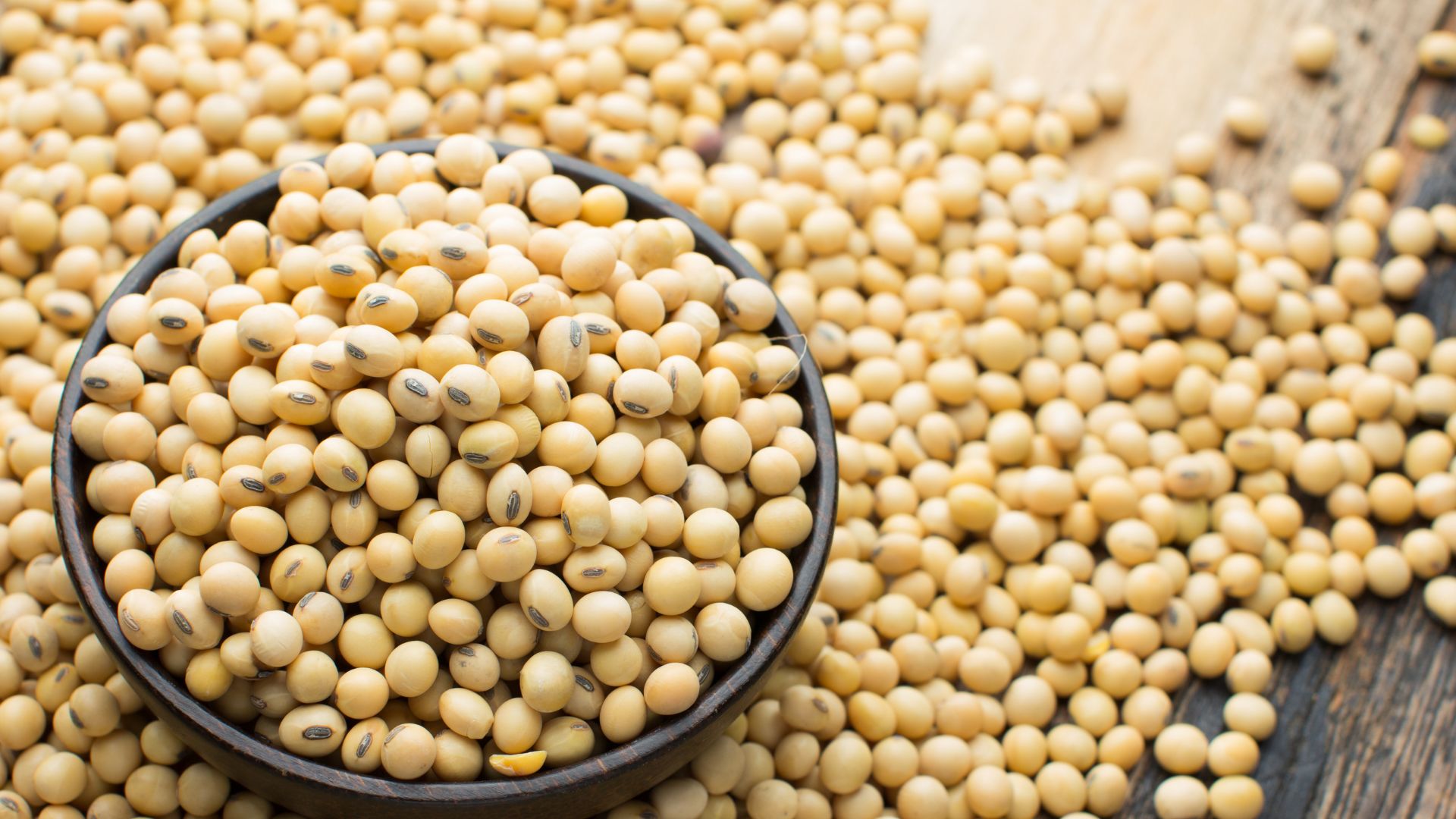
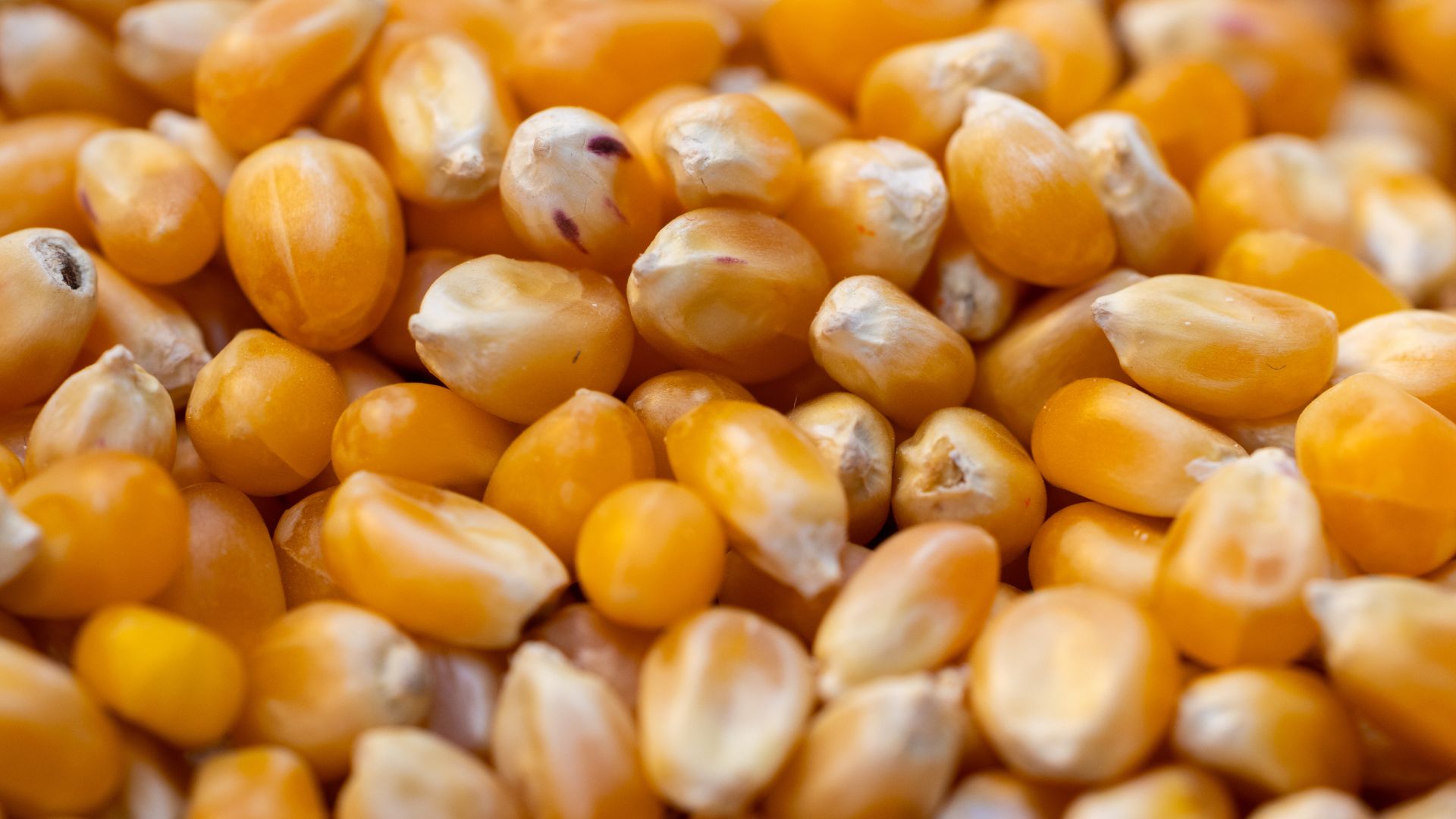
The global poultry feed industry depends on consistent, cost-effective access to maize, soybean meal, fish meal, and feed additives. For buyers in Sri Lanka, Bangladesh, India, and the Middle East, sourcing these commodities efficiently is a daily challenge.
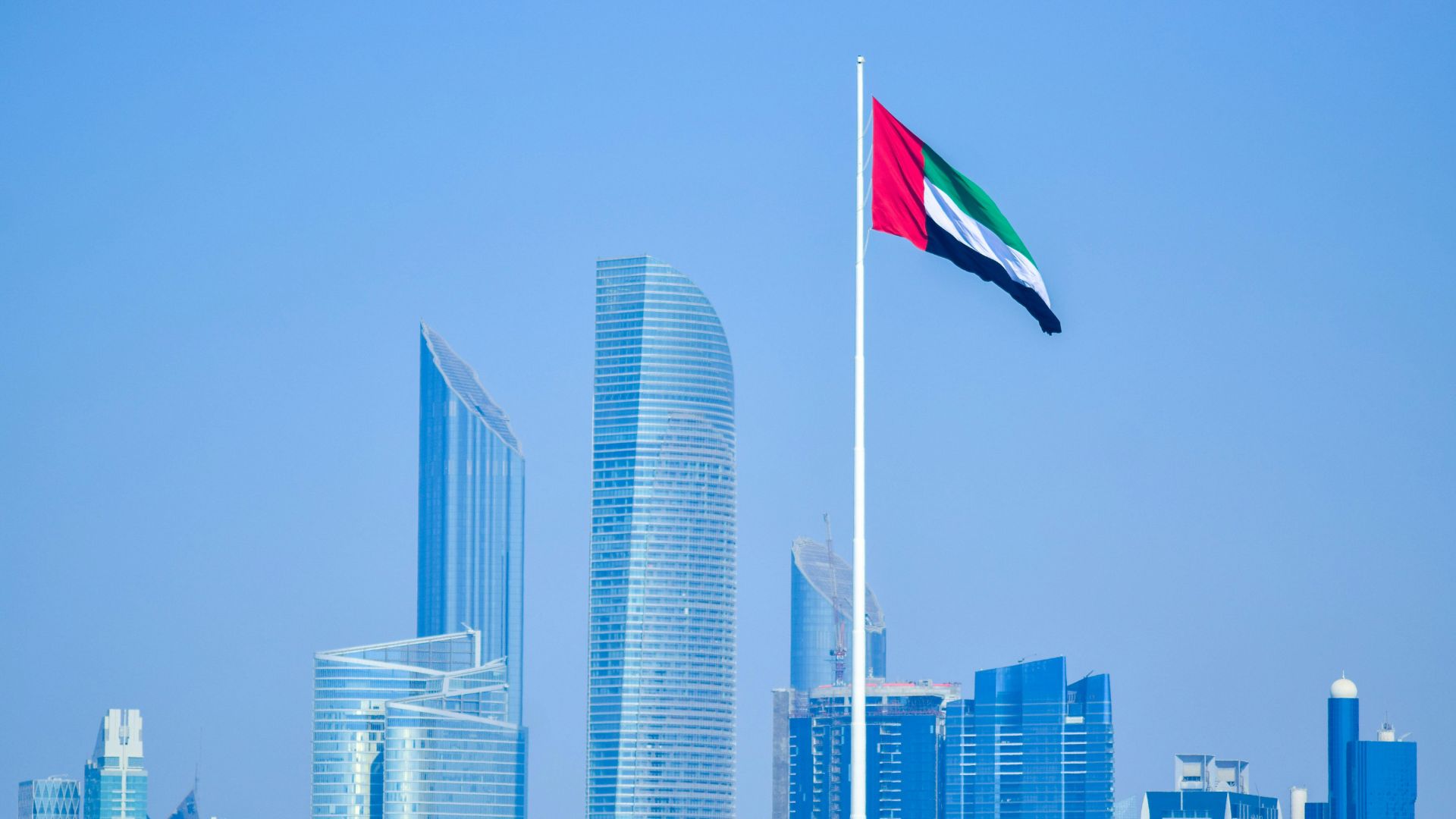
That is precisely why Dubai has emerged as a strategic agro commodity trading hub.
Why Global Traders Choose the UAE
Dubai offers unique advantages that benefit both suppliers and buyers:
Global Banking & Trade Finance
International payments and letters of credit move faster through UAE’s well-regulated financial system.
Shipping & Logistics Connectivity
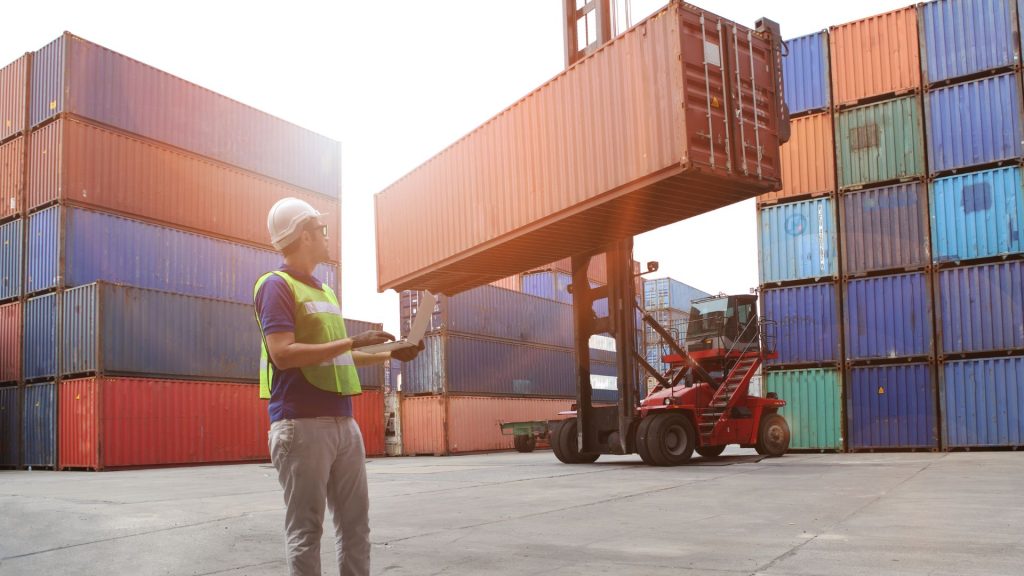
Jebel Ali Port and Dubai’s air cargo infrastructure enable efficient re-exports and bulk shipments.
Supplier & Buyer Networking
Dubai hosts global grain traders, protein meal suppliers, and feed additive manufacturers under one trade ecosystem.
Legal & Contractual Clarity
UAE trade laws and dispute resolution mechanisms are trusted by international counterparties.
What This Means for Poultry Farms & Feed Mills
When you work with a Dubai-based agro commodity trading partner, you are not just buying ingredients. You are accessing a global supply network with:
- Multiple sourcing options across South America, Europe, Asia, and Africa
- Consolidated shipping and documentation management
- Quality verification and compliance support
- Flexible supply contracts tailored to your production schedule
Real Impact on Feed Costs
Poultry farms operate on thin margins. Feed represents 60–70% of production costs. A reliable trading partner in Dubai helps stabilize pricing, reduce shipment delays, and secure consistent raw material quality.
Why Axis Route Trading Is Your Trusted Partner
As a UAE-registered agro commodity trading company, we specialize in bridging global suppliers with South Asian and Middle Eastern poultry markets. Our team manages:
- International procurement of maize, soybean meal, fish meal, and MBM
- Feed additive sourcing for growth efficiency and disease management
- End-to-end logistics coordination from port to plant
Leave a Reply